The electric meter is an important device that helps measure the electric units consumed by a household or business property. Energy companies can find out the charges for your electricity bill with the help of an electric meter. There are three main types of electric meters installation, and the type of meter you install will impact your energy costs.
- Accumulation Meter installation.
- Interval Meter installation.
- Smart Meter installation.
Accumulation Meter
Accumulation meters are also known as single-rate meters or flat meters, and they measure how much electricity has been consumed by the property. Accumulation meters can’t measure the electricity used during the day (night or day etc.), so they charge a flat bill for electricity consumed regardless of the time you use electric energy. And depending on the energy distributor, some customers may prefer a block rate tariff, which charges different rates based on your electricity intake.
Interpreting an Accumulation Meter
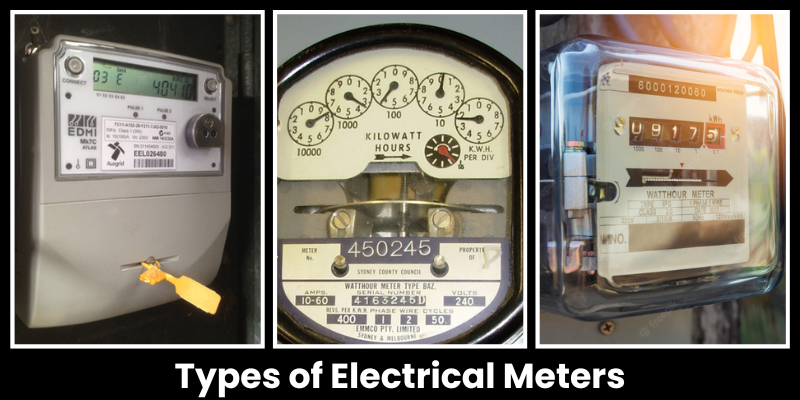
You’ll get an accumulation meter in three displays: digital, dial and cyclometer. The cyclometer and digital display are simple to read, wherein the display will show how much electricity is used in kWh.
When you install an accumulation meter, a meter reader will visit your property every three months to check the electricity intake. The meter reader will calculate the difference between your previous and current meter reads to determine the electricity units used during this period. And some energy distributors will provide you with monthly bills, measuring between meter reads.
Interval Meter
Interval meters will measure your electricity intake every 30 minutes and records it. They will charge you for peak hours and off-peak hours differently. Generally, off-peak hour usage attracts a lower rate, and peak hours attract a higher use tariff. If you have an interval meter and don’t want to be charged different rates for different times of the day, you’re free to choose a flat rate charge.
Interpreting an Interval Meter
Interval meters are digital, so they’re easy to read. Meter readers record interval meter data by connecting an optical probe that brings out the interval meter data and then transmits it to the energy supplier’s systems. This data is then processed up to ten times to ensure it’s accurate before sending it to your authorised energy retailer for the final generation of your electric bill.
Smart Meter
Smart meters are digital and the most recent invention in energy metering technology. Similar to interval meters, they can record electricity usage at 30-minute intervals and allow different rates to be charged during different times of the day. In some regions of Australia, smart meters are known as interval meters. The critical difference is that you can read smart meters remotely. So, a meter reader won’t have to visit your property, and you won’t get estimated bills.
Interpreting a Smart Meter
Smart meters show your electricity consumption in kWh on a small digital screen. Smart meters can pass live electricity usage data to your electricity distributor. It doesn’t need a meter reader; you can track your electricity intake through an energy monitor or online portal. These provide matchless insights into your usage patterns, helping customers to understand where they can save electric energy and thereby curtail their energy bills.
Solar Meter
Suppose you have installed a solar PV system or storage battery. In that case, you’ll require a two-way or bi-directional electricity meter to evaluate solar electricity being exported to the power grid in exchange for incoming electricity and a feed-in tariff. Furthermore, almost all current interval meters and smart meters are bi-directional. If you have a dial accumulation or cyclometer electricity meter, you’ll require a meter upgrade to measure your power exports appropriately.
Contact IZCO Electrical for the Electric Meter Installation Of Your Choice
Contact IZCO Electrical for availing of smart metering services in Sydney. Our comprehensive electrical services include energy meter installation, testing, service and repairs. When you provide your metering work to IZCO Electrical, then you can be worry-free. That’s because after installing your electric meter, we’ll also provide ongoing-maintenance support and asset management for the customer’s meter device’s life.
Frequently Asked Questions
What are the main types of electricity meters used in Australia?
Australian properties may use older accumulation meters, digital meters or smart meters depending on the age of the property and the metering arrangement. If you are planning electrical changes, IZCO Electrical can inspect the existing setup and explain whether the meter is suitable for the work.
How do I know what type of electricity meter I have?
You can usually identify the meter by its display and labelling, but you should not open sealed or restricted electrical equipment. Send IZCO Electrical a clear photo of the meter and switchboard area if you are unsure and the team can advise whether a site inspection is needed.
What is the difference between an accumulation meter and a smart meter?
An accumulation meter records total electricity use over time and normally requires a manual reading, while a smart meter records usage digitally and can support more detailed remote metering functions. The right metering arrangement for a property depends on the retailer, network and electrical work being planned.
When should an old electricity meter be upgraded?
A meter change may become relevant when the property is renovated, the supply is upgraded, metering requirements change, or new electrical systems such as solar or EV charging are introduced. IZCO Electrical can assess the meter position, switchboard and supply before the upgrade is planned.
Can a meter upgrade require switchboard or consumer mains work?
Yes. Metering work can reveal that the existing meter panel, switchboard or consumer mains no longer meet the requirements of the new arrangement. IZCO Electrical can inspect the complete setup and provide a combined scope where additional work is required.
Who can complete electricity meter installation or upgrade work in Sydney?
Metering-related work can require a Level 2 Accredited Service Provider depending on the scope and network connection involved. IZCO Electrical provides Level 2 metering services and can also coordinate related switchboard, supply and consumer mains work where needed.